
Flight Release Wizard
I redesigned United Airlines' flight release workflow, replacing a fragmented five-system process with a single guided workspace that cut release time from 45 minutes to 17 and dropped the error rate from 8 percent to 2.
Timeframe
10 weeks
Users
Flight Dispatchers
Industry
Aviation
Type
Workflow Optimization
CHALLENGE
A flight release is a mandatory authorization procedure executed by dispatchers that verifies all safety and operational conditions before departure.
At United Airlines, dispatchers were managing every element of it across five separate systems simultaneously.
Before departure, a dispatcher must verify weather, route, fuel load, crew legality, aircraft status, and FAA filing requirements, then certify that the flight is clear to go.
The fragmentation had structural consequences. Dispatchers held release readiness in their heads, maintained personal checklists, and relied on experience to reconstruct a complete picture before signing off.
An 8 percent error rate was not a failure of attention. It was the predictable outcome of a process that distributed critical information across tools that could not communicate with each other. Compliance misses carried regulatory exposure. Delays carried cost. Both landed on the business.
The problem was interdependence.
Weather changes route options. Route options change fuel requirements. Fuel requirements have regulatory floors. Each decision shifted the context for the next, and nothing in the legacy workflow made those dependencies visible. Reducing cognitive load without flattening the operational logic of the release was the constraint that shaped every design decision that followed.
SOLUTION
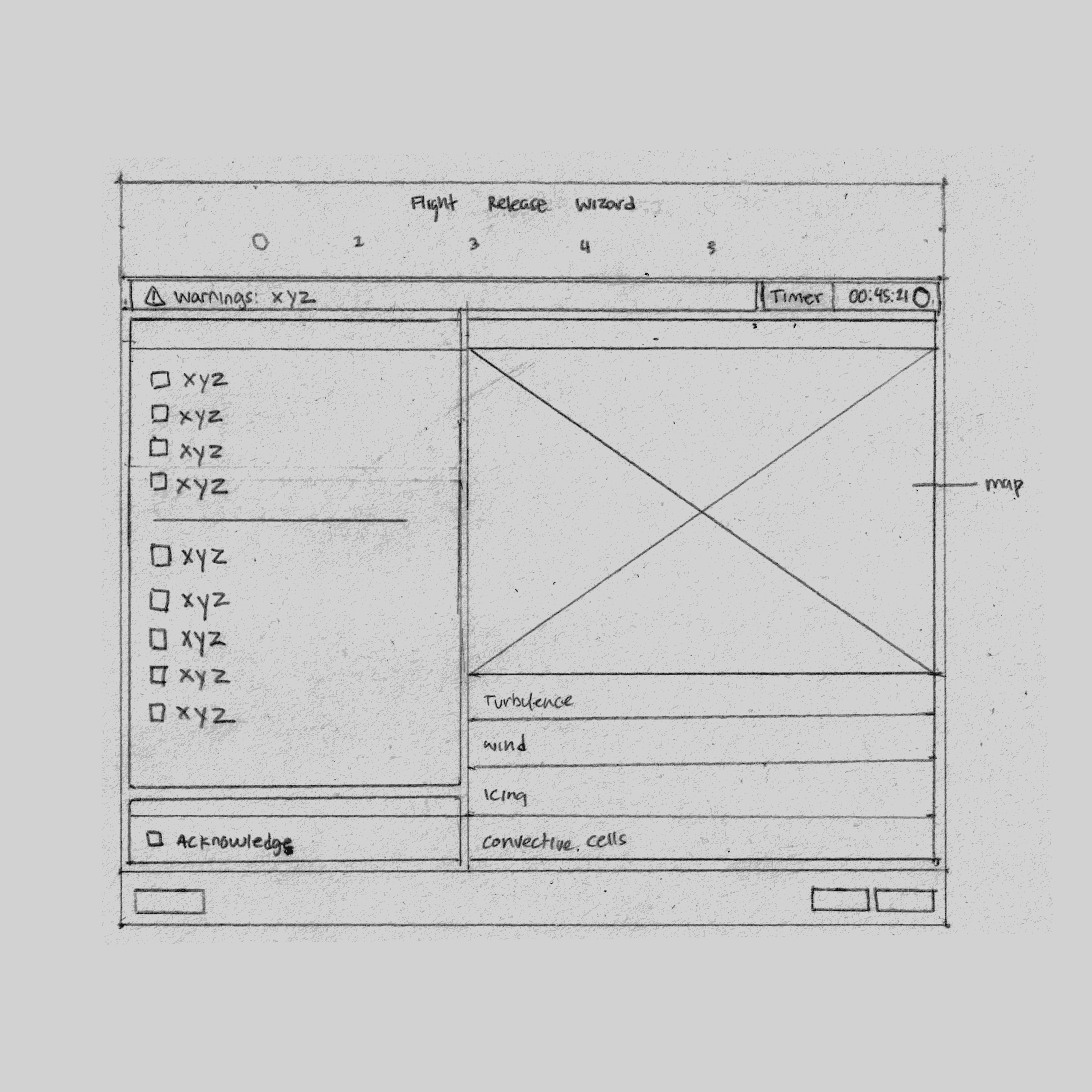
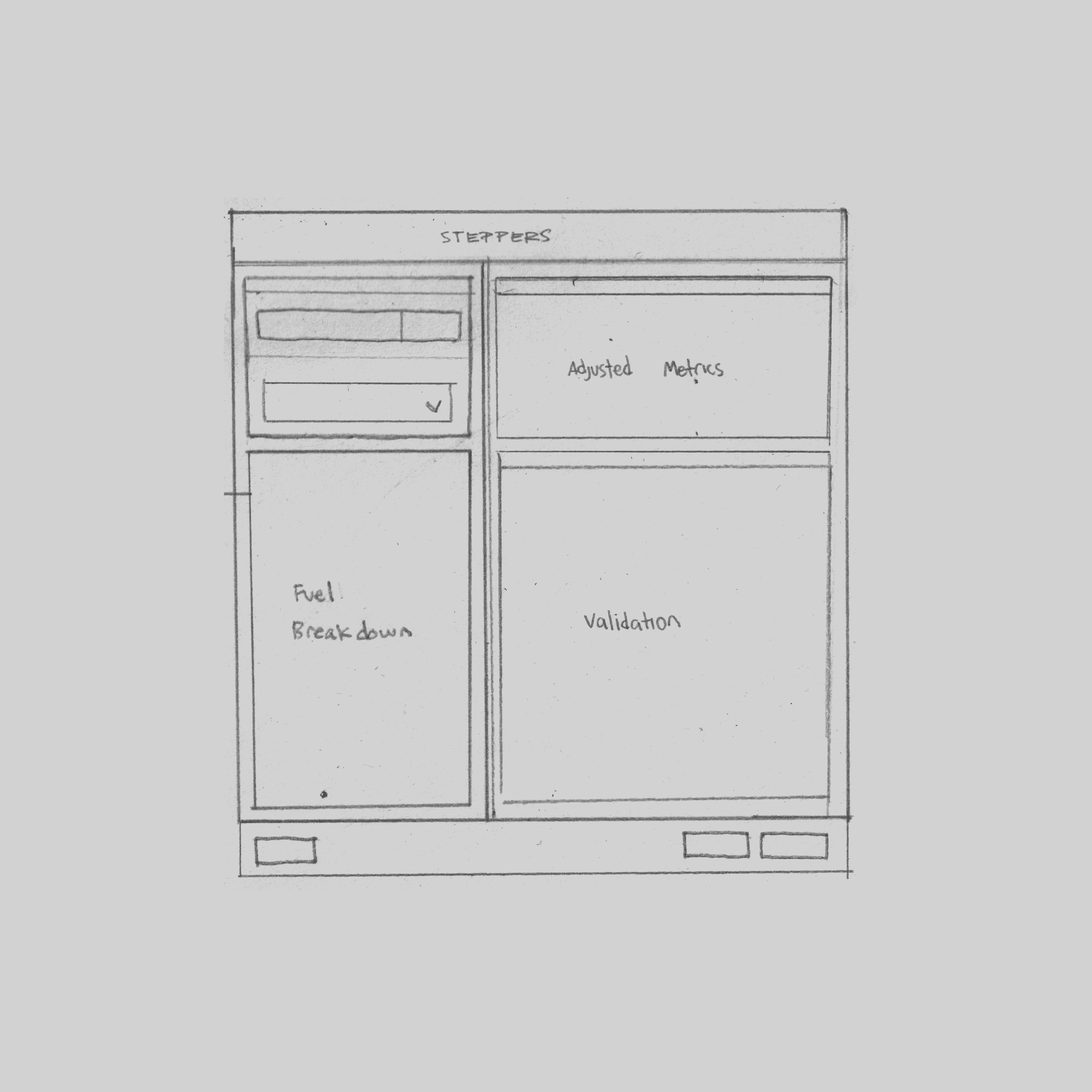
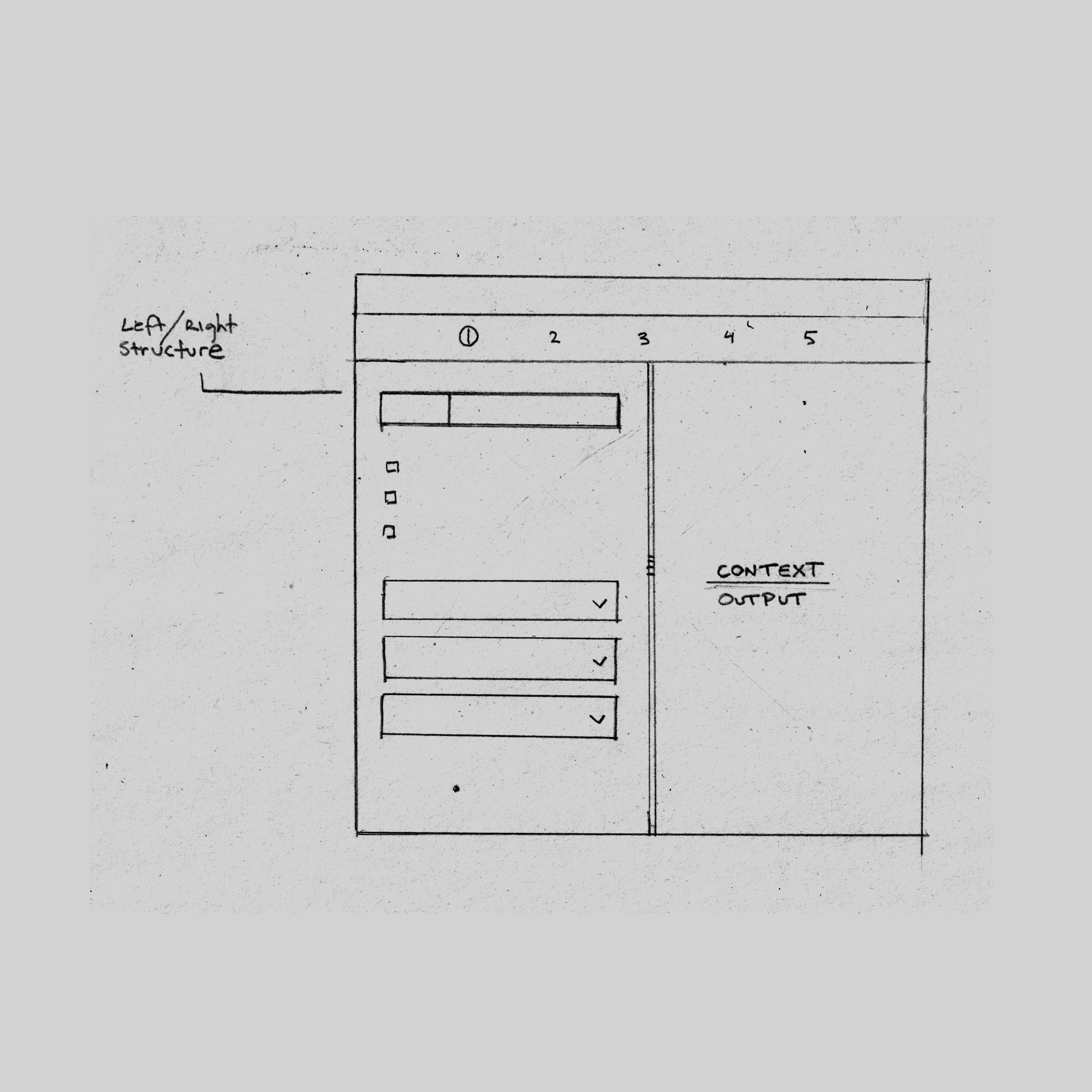
I designed the Flight Release Wizard as a single, guided workspace structured around the command + context model.
1. Command + Context Structure
The core failure mode in the legacy process was structural: dispatchers were issuing release decisions in one system while the operational context required to make those decisions lived in four others.
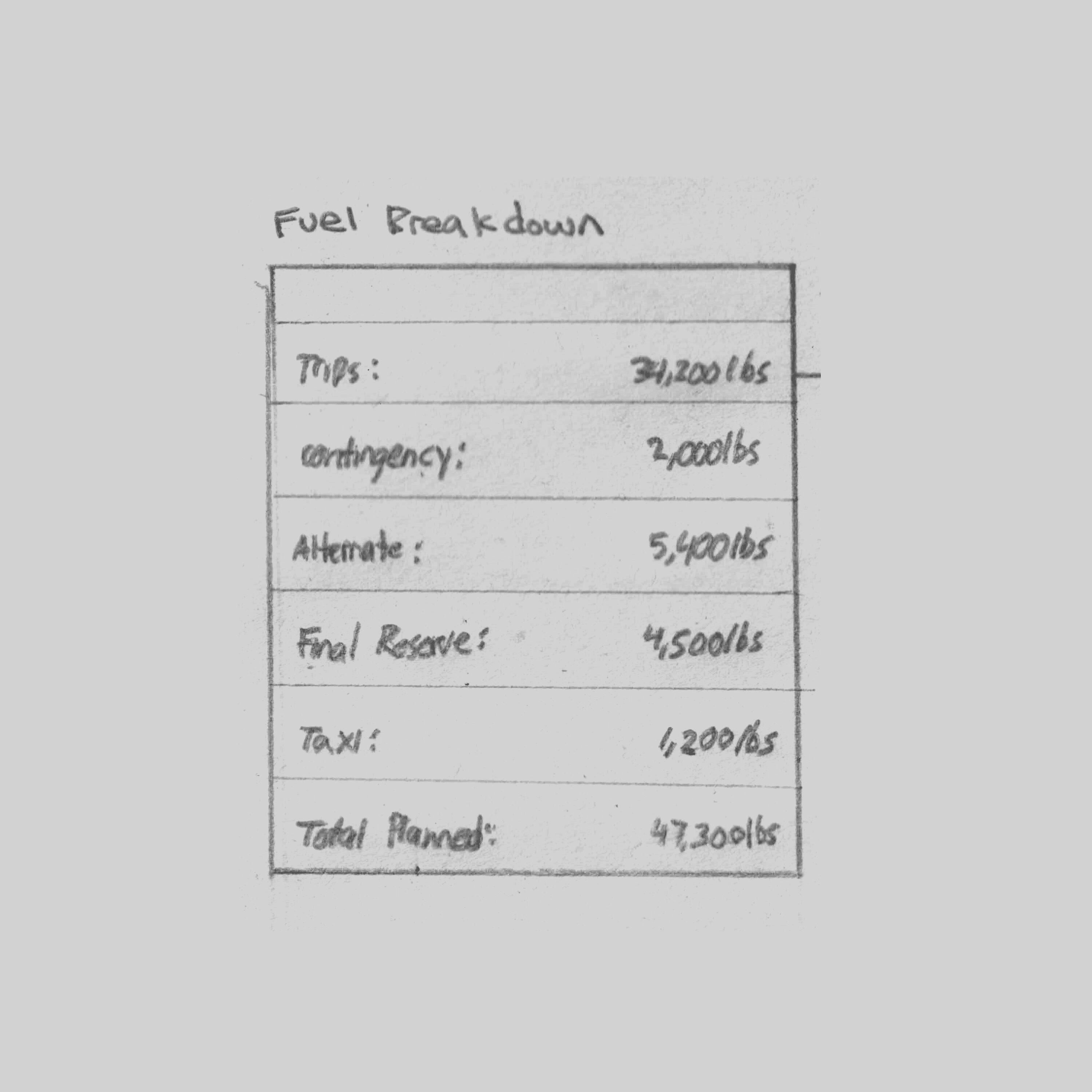
Consolidating tools into a command + context architecture pairs dispatcher actions with real-time operational data, so route state, crew legality, weather, and compliance status are co-located rather than distributed. The workspace does not just display more information. It removes the condition that made errors likely in the first place.


RESULTS
Time-on-task dropped from 45 minutes to 17 minutes per release. Error rate fell from 8 percent to 2 percent. SUS score moved from 35 to 87.
HEART/GSM framing defined those success targets before design began, aligning measurement to task efficiency, error reduction, and dispatcher satisfaction.
Dispatchers reported higher confidence because release readiness was visible instead of assumed. Operations leadership gained a shared language for readiness, warnings, and blockers across the release workflow. The core wizard shipped intact across all five components. Deeper optimization features and broader analytics were deferred to keep the launch focused on release quality, compliance, and operator trust.
(from 8%)
(from 45 min)
(from 45 min)
APPROACH
The most important finding from workflow analysis was the structural pattern underneath them
Context switching across five systems was the primary driver of both delay and error, and no improvement to any single system could address it.
That insight shifted the design direction from screen-level optimization to workflow architecture. What dispatchers needed was not a better tool for each step. It was a single environment where each step's dependencies were already resolved.
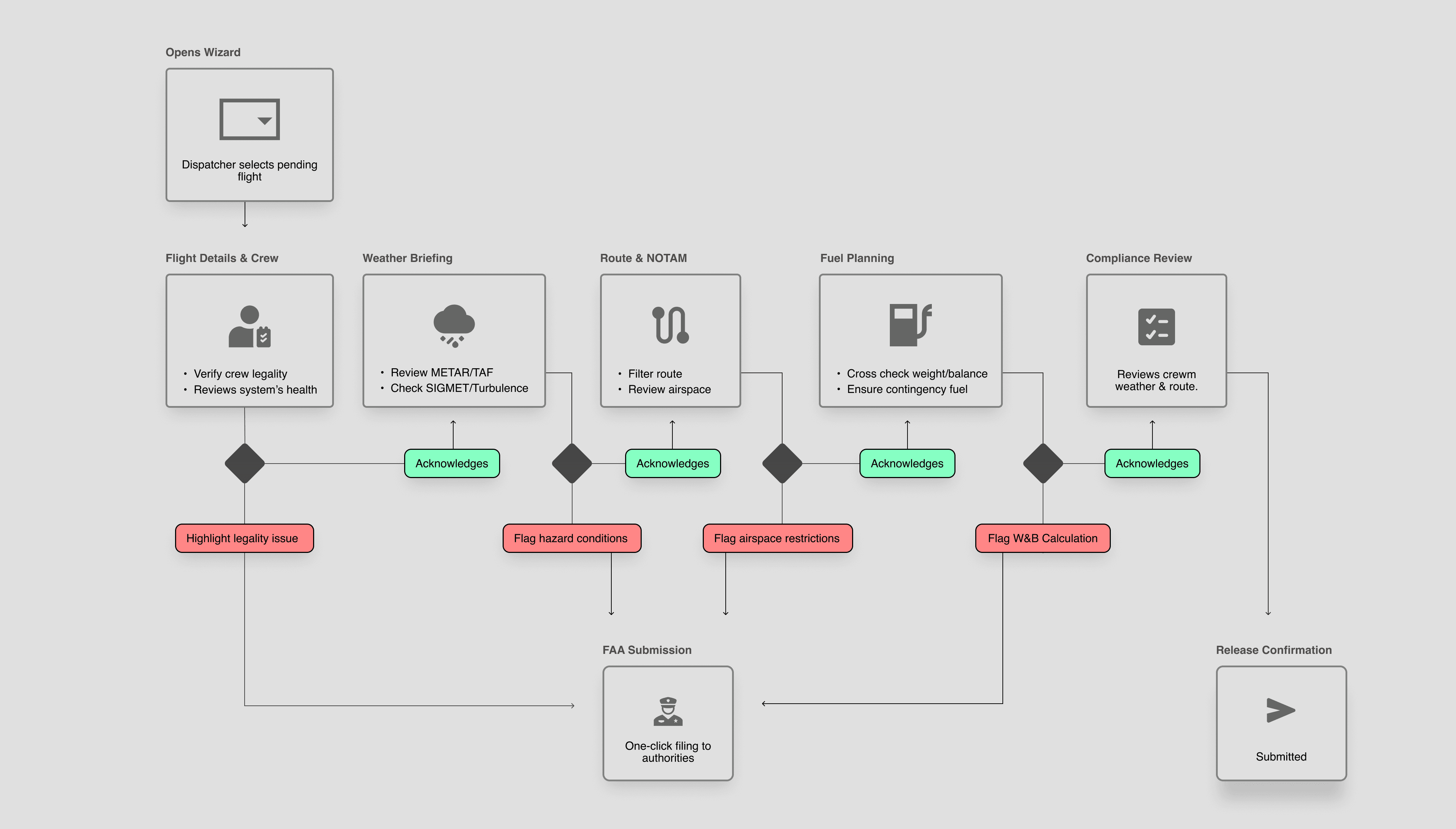
I used workflow analysis and contextual review to map how releases were performed under time pressure, not how they were documented.
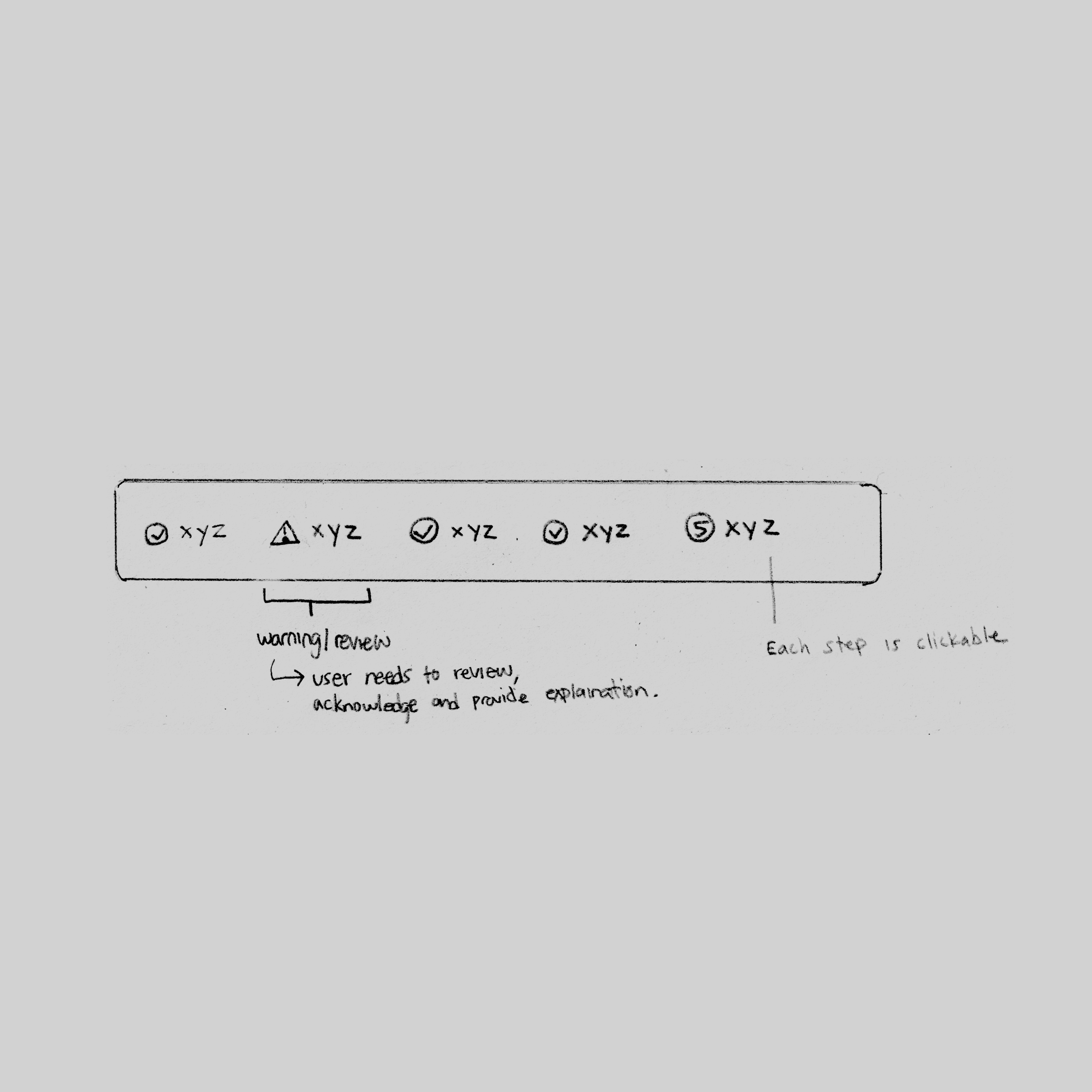
HEART/GSM defined measurable success criteria anchored to compliance and task performance. Progressive validation turned release readiness into visible, structured state at each step.
Human-in-the-loop decision design shaped how AI evidence was surfaced during route evaluation, scoping the system's role carefully against the dispatcher's retained authority.

Let's Talk
The deeper decisions around HEART/GSM alignment in a compliance-driven workflow, AI authority framing in a safety-critical environment, deliberate override design in gated submission, and the workflow architecture required to consolidate five systems into one coherent workspace are better covered in conversation.
Explore More Case Studies
All
Workflow Optimization
AI
Flight Release Wizard
Satellite ops, mission control, flight dispatch, orbital logistics, ground systems, spacecraft telemetry.